

Tipps für ein erfolgreiches casino-erlebnis
September 6, 2026Reguli de înscriere la Spingranny Casino în România
September 6, 2026A Megaways pokie is a video slot built around a variable reel configuration rather than a fixed grid. Instead of every payline sharing one traditional layout, symbols occupy different positions across six reels, with the middle reels expanding to create more ways to align. That structure changes both the maths and the way a game feels on screen. For Australian players, interface design matters just as much: local currency, clear paytables, responsive navigation and readable symbols determine whether an unusual format feels exciting or merely confusing.
Variable Reels, Fixed Priorities
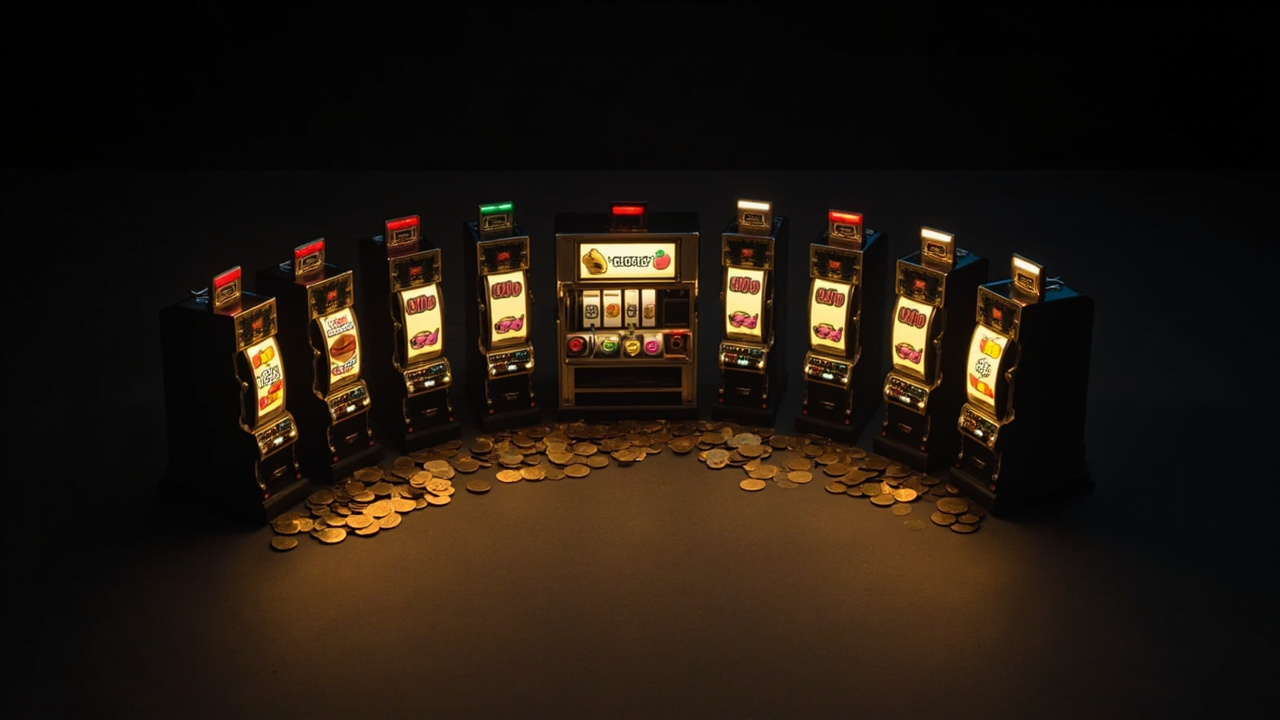
A Megaways pokie uses reel sizes that can shift from one spin to the next. The outer reels may hold between two and seven symbols, while the centre reels can offer dozens more positions. When a winning combination forms, its symbols occupy a row across the reels and pay according to the game’s paytable. The number of available lines expands or contracts with the reel configuration, so the same apparent screen area can represent very different maths.
This differs from a standard pokie, where every symbol position is already present and the paylines are fixed. Megaways games often add cascading wins, expanding symbols or bonus features that alter the reel map again. The result is closer to a dynamic board than a static grid.
For players checking details, the paytable should remain reachable from the main game screen, and any casino offering the format should make that information easy to find. As with any real-money game, outcomes remain random, and no interface can guarantee a return.
Reading the Interface and Locating the Maths
Visual identity and reel readability
A strong Megaways pokie should make its variable structure visible without making the screen feel busy. Symbols need consistent colour coding, while different reel heights should be noticeable without requiring constant cross-checking. The controls should keep spin, bet sizing and sound settings in predictable places, particularly on a phone held one-handed.
The game’s identity also needs to suit the format. An ancient ruins theme works well with expanding reels, for instance, because the architecture of the reels can become part of the visual story. Check out legacy-of-dead-au.com for a practical look at this style of Megaways presentation.
Wollongong players testing mobile sessions should consider screen brightness, touch targets and whether the paytable loads quickly on mobile data. A polished desktop layout can still fall apart on a smaller handset.
Navigation, language and currency
The weakest Megaways interfaces often treat the paytable as an afterthought. You should be able to open it, identify a symbol combination, then return to the game without losing your bet level or restarting the session. The same applies to bonus instructions: explanatory text should sit near the feature rather than behind several menus.
Localisation adds another layer. Australian players should recognise AUD as the displayed currency, with no conversion confusion during deposits or withdrawals. Support material should use familiar English, while terms such as “free spins”, “multiplier” and “cascade” should be explained consistently across the game, help pages and promotional messages.
Search also matters. Within a lobby, a working search field can be more useful than scrolling through dozens of similar titles. Filters for provider, volatility or feature help narrow the field when you know what you want, but clear labels matter more than a long list of options.
Feature communication
Megaways games tend to accumulate mechanics, so communication becomes part of the design. A counter showing the current number of ways to win should update accurately. If a multiplier applies during free spins, the increase should appear prominently. Bonus rounds should communicate their rules before you commit money.
This is where a plain-language guide to pokies in NSW helps establish sensible expectations about game features, independent licensing and player responsibility.
A Four-Step Way to Test a Megaways Game
- Open the paytable first. Check the symbol values, reel configurations and the definition of a win before depositing.
- Set a fixed session budget. Treat it as entertainment spending, not a route to recovering losses.
- Use the smallest available bet while learning. Observe how reels expand, how cascades resolve and how the feature counters behave.
- Test on mobile. Rotate the device, check control visibility and confirm that text and paytable information remain readable.
Who Suits This Format?
Megaways pokies appeal to players who enjoy reading the board and tracking changing reel states. The format suits a deliberate session: studying the paytable, watching how a cascade removes symbols and noticing when the central reels expand. It also gives designers more room to build features around movement rather than fixed paylines.
It may suit less well for players who want a simple, predictable screen or who prefer short, low-attention spins. Variable reels can create frequent near-misses, and that pattern of activity can feel more intense than the maths actually is. Long sessions deserve regular pauses, regardless of how quickly the reels move.
A good demonstration is the Dog House Megaways, which uses expanding reels and a multiplier-driven bonus structure. Comparisons with other pokies in NSW can clarify how feature design changes the rhythm of play.
Where the Interface Does the Heavy Lifting
A Megaways pokie is defined by a variable reel map, but the interface determines whether that maths feels intuitive. Clear paytables, readable symbols, consistent AUD displays, practical search and reliable mobile controls make the format easier to understand without pretending it is simple.
For Australian adults, the practical choice is the game that explains itself. Read the maths, control the session and treat every spin as entertainment rather than a guaranteed outcome. No worries, the reels will keep moving either way.
