

No-Deposit Spins Offer at Bloody Slots Casino tailored for UK Enthusiasts
August 25, 2026Hispin Casino – Tournez les rouleaux et obtenez de substantiels gains en France
August 25, 2026There’s a particular rhythm to a live dealer game that a random number generator just can’t replicate. For Australian punters who miss the pace of a real room, casino games with real tables offer a middle ground between the pokies floor and a proper bricks-and-mortar venue. This isn’t about chasing losses or pretending a screen equals a trip to Crown; it’s about finding a session that feels deliberate rather than frantic. We looked at how these tables actually function for local players, what you’re signing up for, and whether the experience holds up once the novelty wears off.
What you’re actually signing up for
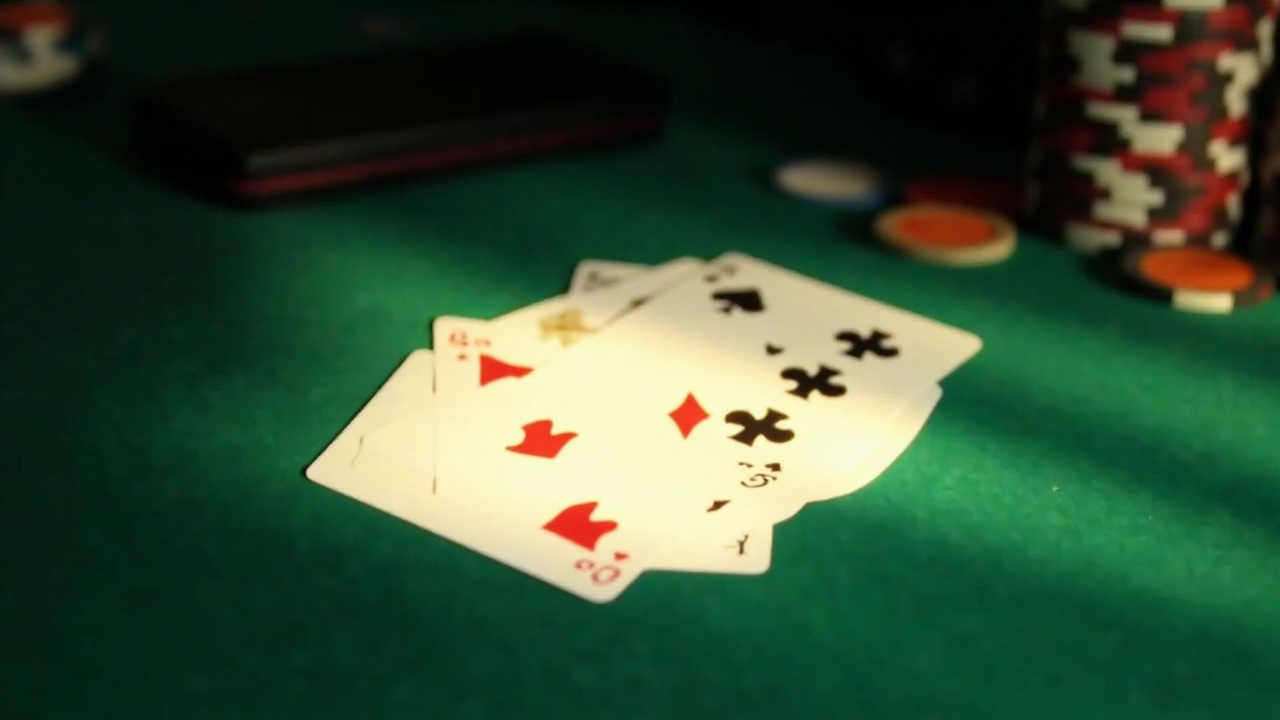
The pitch is straightforward: a human dealer, a real wheel or cards, and a camera feed that runs live rather than streaming a pre-recorded loop. That setup changes the texture of a session straight away. You’re watching cards get shuffled and bets get placed in real time, which matters if you prefer a game where the pace is set by a person rather than an algorithm. For players who find the relentless spin of a pokies floor exhausting, casino games with real tables can feel like a slower, more considered way to spend an arvo.
That said, slower doesn’t automatically mean better value. The focus here is on the experience and the structure around it, not on any invented promise that a live table will pay out differently from a digital one. The realism is genuine, but the maths underneath is still maths. What you get is a session that feels less isolated, with a dealer calling out hands and a chat function that lets you pick up a bit of banter between rounds. For some players that’s the whole point; for others it’s just a different way to burn through a session they’d otherwise spend staring at a grid of slots.
| Detail | What it means on the ground |
|---|---|
| Table range | Live blackjack, roulette, baccarat and a handful of game-show style variants |
| Dealers | Real staff, live-streamed from a studio floor |
| Pace | Human-set, usually slower than automated games |
| Chat | Live text with the dealer and sometimes other players |
| Limits | Table stakes vary by game and by session |
How the setup actually plays out
The table experience and the pace of a session
A live table runs on a schedule you don’t fully control. The dealer deals, the wheel turns, and the round closes when it closes, which is a genuine change from clicking a button and watching a result pop up on your own timeline. That rhythm can be a strength if you want a session that feels anchored to something tangible, but it also means you’re committing to a pace that isn’t always convenient. A blackjack hand can stretch out, a roulette round can drag if the table is busy, and the chat function adds a layer of noise that some players enjoy and others ignore entirely.
The visual side is where most of the appeal lives. You’re watching a real shoe, a real wheel, and a dealer who calls out the action as it happens. For anyone who’s spent time around a proper room, that familiarity is the whole draw. It’s not the same as sitting at a felt table in Hobart with a cold drink in front of you, but it captures enough of the physical detail to feel like more than a graphic on a screen. The compromise is that you’re still playing through a device, which means the comfort and convenience come at the cost of the full room atmosphere. le bandit demo
Payments, verification and what happens when you want out
Money movement on these platforms tends to be more structured than the casual pokies session many Australians are used to. You’ll usually see a narrower set of deposit options, a clearer currency setup, and a verification step that asks for ID before you can move much of anything. That’s not a flaw in the experience so much as a feature of how these tables are run: the stakes are live, the dealers are real, and the compliance side has to match. For players who want to deposit, play a few hands, and withdraw without fuss, the flow matters more than the wallpaper.
Processing times and limits vary by method, and that’s worth keeping in mind before you set a session budget. A faster deposit doesn’t always mean a quicker withdrawal, and the verification step can slow things down if you’re trying to move funds on a whim. None of this is unusual for a live table setup, but it does mean the cashier is part of the experience rather than an afterthought. If you’re the sort of player who likes to treat a session as self-contained, the payment flow is something you want to understand before you’re mid-hand and deciding whether to top up or walk away.
Who this style of play suits, and who it doesn’t
Casino games with real tables work best for players who want a session with a bit of structure and a human face on the action. If you’re after the noise, the pace, and the sense that someone is actually dealing your cards, the live format delivers that in a way a purely digital game can’t. It’s also a decent fit for players who want a slower session without giving up the convenience of playing from home. For anyone who prefers the fastest possible turnaround or the broadest possible game list, the live table can feel a touch restrictive.
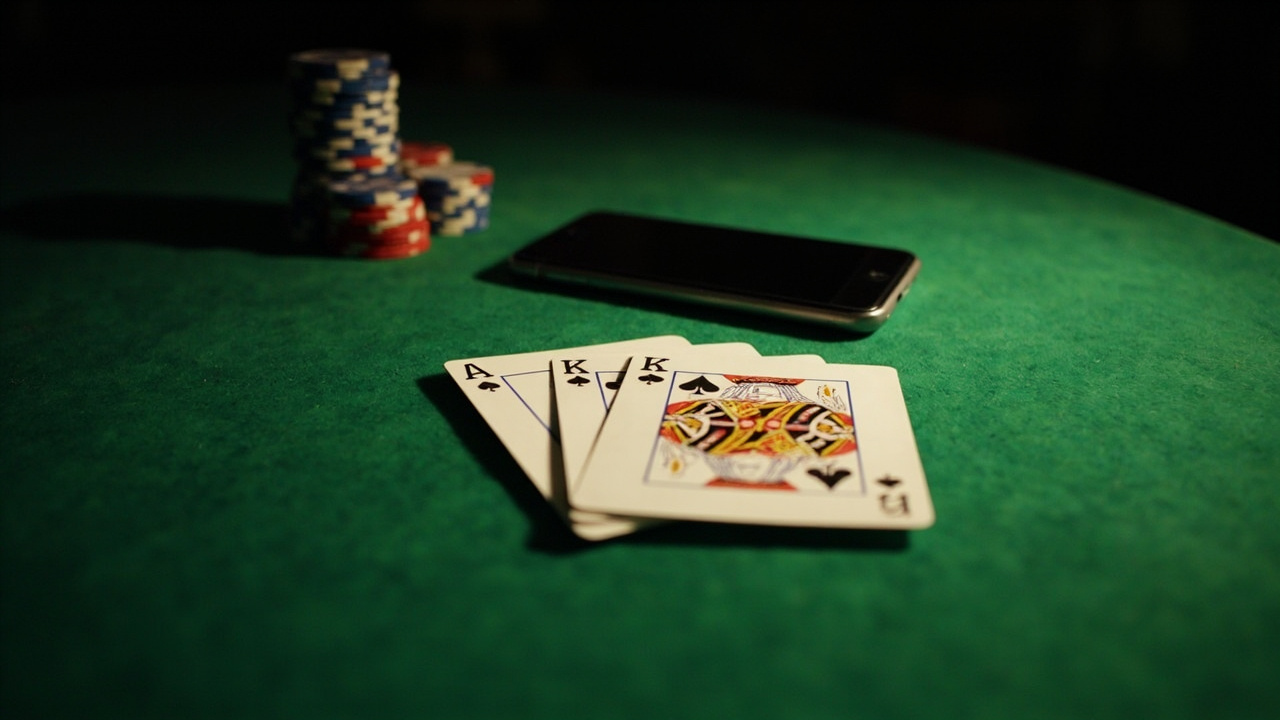
It’s less convincing as a replacement for a proper venue, and it’s worth being clear about that. The realism is real, but it’s still a studio setup with camera angles, chat windows, and a screen between you and the action. Victoria’s regulator was restructured after the Crown royal commission, which is a reminder that the live-room experience and the compliance expectations around it aren’t things to take for granted. If you’re looking for a casual session with a bit of atmosphere, the live table is a solid option. If you’re looking for something it isn’t, no amount of dealer banter will change that.
The right move is to treat casino games with real tables as a specific kind of session, not a default. Play them when you want the pace and the feel, and don’t pretend they solve anything they don’t. For the right player, that’s enough.
If you want to see how a live table layout reads before you commit to a session, the le bandit demo gives you a clear look at the table structure without any pressure to deposit.
